The studio
Built for the whole of you.
Three practices, one room, one continuing path. Slow strength for the day you want to push. Alignment yoga for the day you need precision. Restorative practice for the day you need support. Foundations is the door.

Our approach
Attention isn't a segment at the end of class.
It's in how you meet the weight, where your breath goes under effort, the half-second before you decide to continue or pause. Each practice has its own energy—music and tempo in one room, a slower, more supported pace in another. What they share is teaching that helps you notice, and a room that gives you the space to.
Movement first. Attention throughout.
The practices
Different days ask for different things.

Strength · Slow Resistance Training
Slow is the hard part.
Resistance, taken at a tempo you can feel every inch of. Machine-based and closely coached, slow resistance training takes momentum out of the equation, so every centimetre is honest work, and you have time to control each phase of the movement.
Music in the room, a coach at your shoulder, and progress you can actually name: a heavier setting, a steadier breath under load, a body that gets out of a chair differently. Our SRT reference is the approach taught by Piper Michelle Yi, using an XFormer or modern Pilates reformer. Equipment photograph: XFormer.
In the room
Controlled resistance, deliberate tempo, close coaching, music with a pulse.
What it builds
Usable strength, confidence with load, capacity that lasts.
Good for days when
You want to push, and you want it to count.
You don't need
A fitness identity, a fast pace or previous experience with machines.
Alignment · Alignment Yoga
Learn the architecture you live in.
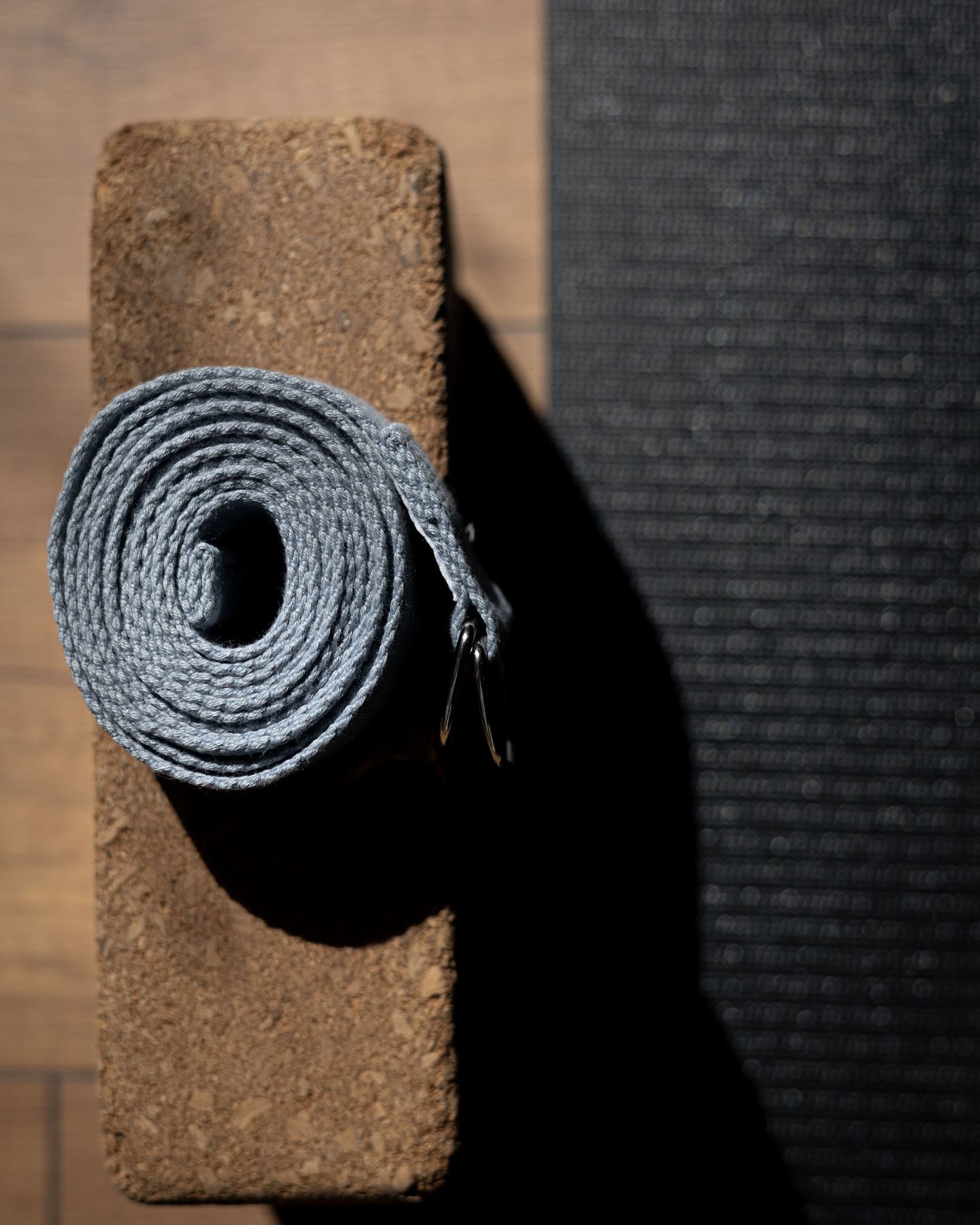
Yoga taught as structure, not shapes: how weight travels through the feet, where breath goes when a posture gets demanding, what changes when a knee moves an inch.
Steady some days, dynamic others—precision doesn't require stillness. What you learn about your own architecture carries into every other kind of movement, on and off the mat.
In the room
Props, specific cues, sequences built on principles rather than choreography.
What it builds
Mobility, balance, practical body literacy.
Good for days when
You need precision, or you want to understand what is actually going on in there.
You don't need
Flexibility, a yoga background or a talent for being still.

Restore · Restorative Practice
The part most people skip.
Restorative practice with its own room, its own pace and its own point: longer holds, supported positions, breath with nowhere to be.
Not a cooldown. A practice—the one that lets the other two compound instead of burn out. It gives effort somewhere to land, and gives you time to come all the way out of it.
In the room
Bolsters, blankets, low light, time.
What it builds
Recovery you can feel, a clearer way down from effort, the ability to slow on purpose.
Good for days when
You need support, a quieter pace, and less asked of you.
You don't need
To be tired enough to deserve it.

Start here · Foundations
Begin where you are.
Foundations is the front door: how the room works, how choices are offered, which path fits the way you arrive. A starting point, not a beginner badge.
Come back after years away, arrive new to all of it, or simply take time to understand the method before you settle into a rhythm. The pace is slower, the explanation fuller, and every option is shown.
In the room
A slower introduction, more explanation, every option demonstrated.
What it builds
Orientation, confidence, a clear next step.
Good for days when
It is your first day—or your first day back.
You don't need
Anything but yourself.
One continuing path
How the practices fit together.
Different days ask for different things, but this is not a menu you pick from at random. The practices are built to be taken in a sequence, then held in a rhythm—so that effort, precision and recovery keep supporting each other over months rather than competing for the same hour.
- 1
Start with Foundations
Learn how the room works, how choices are offered, and which practice fits the way you arrive. Everyone begins here, whatever their experience.
- 2
Build a regular strength practice
Slow Resistance Training becomes the spine of the week: one or two closely taught sessions, progressing by small, honest increments.
- 3
Add alignment for control and understanding
Alignment yoga teaches the architecture the strength work relies on—how weight travels, where breath goes, what changes when a knee moves an inch.
- 4
Keep restorative practice in the rhythm
Recovery is scheduled, not left to chance, so the effort stays sustainable and the body has time to adapt.
- 5
Review and progress with a teacher
At intervals you look back together: what changed, what to load, what to leave alone. The next step always fits the season you are actually in.
Formats, class lengths and the shape of the Foundations pathway will be confirmed with the opening programme and shared with the early list first.
Beyond the mat
Some things are easier to practise sitting down.
Alongside movement, Zenotal runs small structured series on the parts of life a squat can't reach—emotion, energy, attention. Multi-week, in person, in a room that already knows how to hold you. Formats will grow as the community does.
Series
Navigating Emotional Tides
Six weeks on being moved by feeling without being dragged by it. Attention-based tools, a few people around a table, and a tide table for your own weather.
Series
Energy for Working Life
Where the day's energy actually goes, and how to get some of it back. Yoga's life-management wisdom and practical attention, applied to a real week.
Series
Foundations of Attention
An introduction to attention as a trainable skill. No cushions required; a chair will do.

Who the studio is for
A place to begin, return and keep going.
Zenotal is designed for people who want useful strength, a clearer relationship with movement and enough range to meet changing bodies and changing days. You don't need a fitness identity, previous yoga experience or a talent for being still.
There is room to begin, room to learn and room to progress—without performing for the room, keeping up with someone else or adopting an identity to belong here.
What to expect
Clarity before intensity.
01Before
Your confirmation explains the class, the level, the equipment, the music, when to arrive and what to bring. No surprises at the door.
02On arrival
Someone meets you, shows you the room and asks only what helps us offer you the right options. What you share beyond that is up to you.
03During practice
Cues are specific. Options are how we teach, not a sign you're behind. Attention stays with the people in the room rather than a performance at the front.
04After
You leave knowing what you worked on and which next step fits your current rhythm, with no pressure to commit to anything.
Before the doors open
A few things you may be wondering.
Is the Halifax studio open?
Not yet. Zenotal is in development in Halifax Regional Municipality. The address, opening date, timetable and pricing have not been announced. The early list will hear when these are confirmed.
Do I need yoga or strength-training experience?
The planned Foundations pathway is designed for beginners and people returning to movement. Alignment yoga, Slow Resistance Training and restorative practice will offer different ways into the same approach. Class details and suitability will be explained before bookings open.
Can teachers and coaches get involved?
Yoga teachers and SRT coaches interested in the developing faculty can start a teaching conversation. Community partners are welcome to introduce their work too; roles and collaborations will be discussed as the studio takes shape.
Where things stand
Zenotal Studio is in development in Halifax Regional Municipality, Nova Scotia. The practices described here are the design of the studio, not a published timetable. It is designed for people who want to build strength, mobility, body awareness and recovery without an aggressive fitness environment. Planned offerings are Slow Resistance Training, alignment-based yoga, restorative practice and a Foundations pathway for beginners and people returning to movement. Location, opening programme, timetable and membership will be shared with the early list first, and published here when they are real.
Zenotal provides non-clinical movement and education; it does not replace medical, physiotherapy or mental-health care.